EDITORIAL DESIGN
ART DIRECTION
TYPOGRAPHY
2021
UNA TESTA IN GIOCO
IDENTITY
Editorial redesign of Una testa in gioco (1937) by George Simenon.
The volume is detached from the Maigret series and repositioned as an autonomous publication.
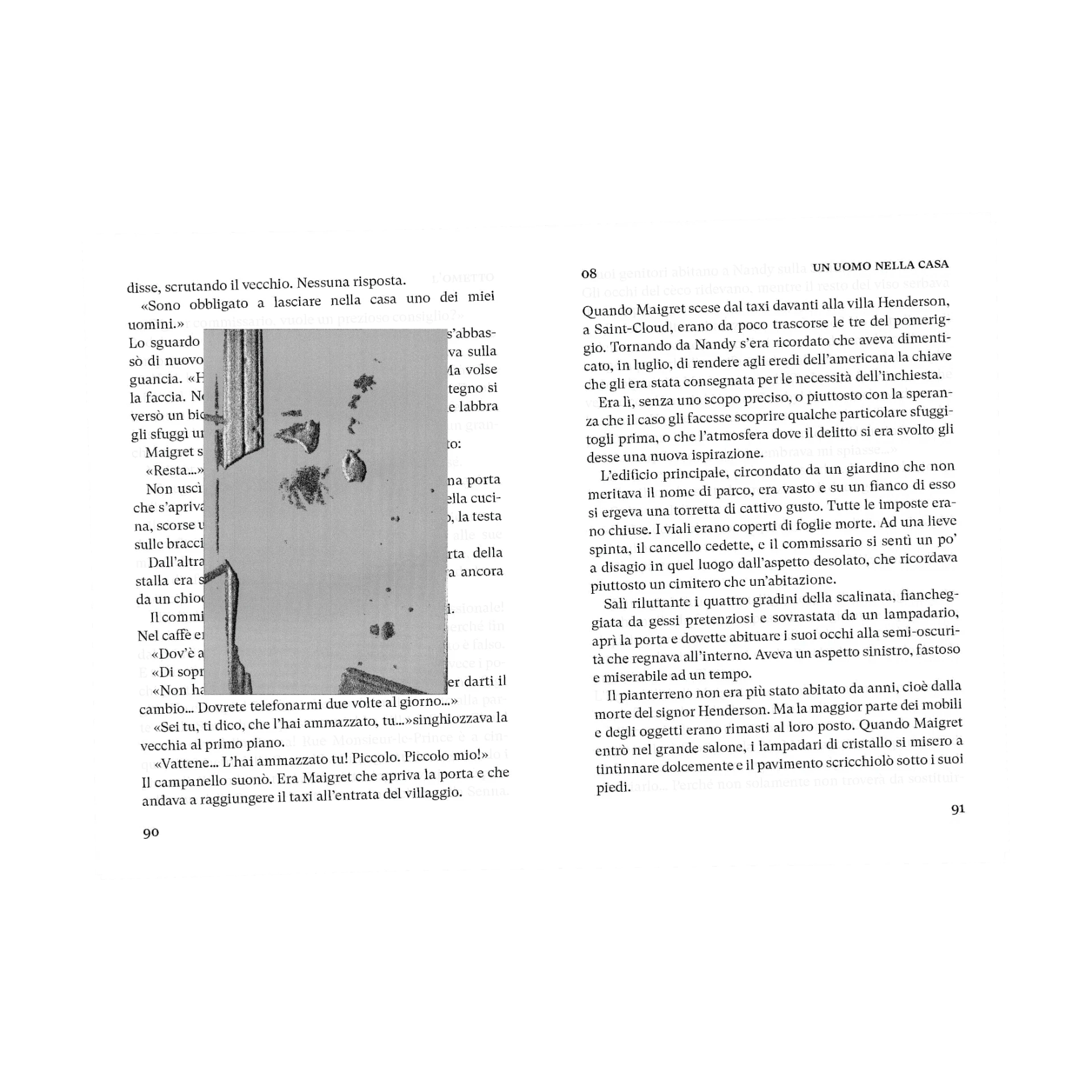
Rather than intervening on the text, the project operates on format, materiality and typographic articulation.
Isolated from its original publishing framework, the novel is allowed to define its own formal language, directly informed by its psychological atmosphere.
The redesign treats the book as a singular object, shifting emphasis from serial continuity to narrative specificity.
GRAMMAR
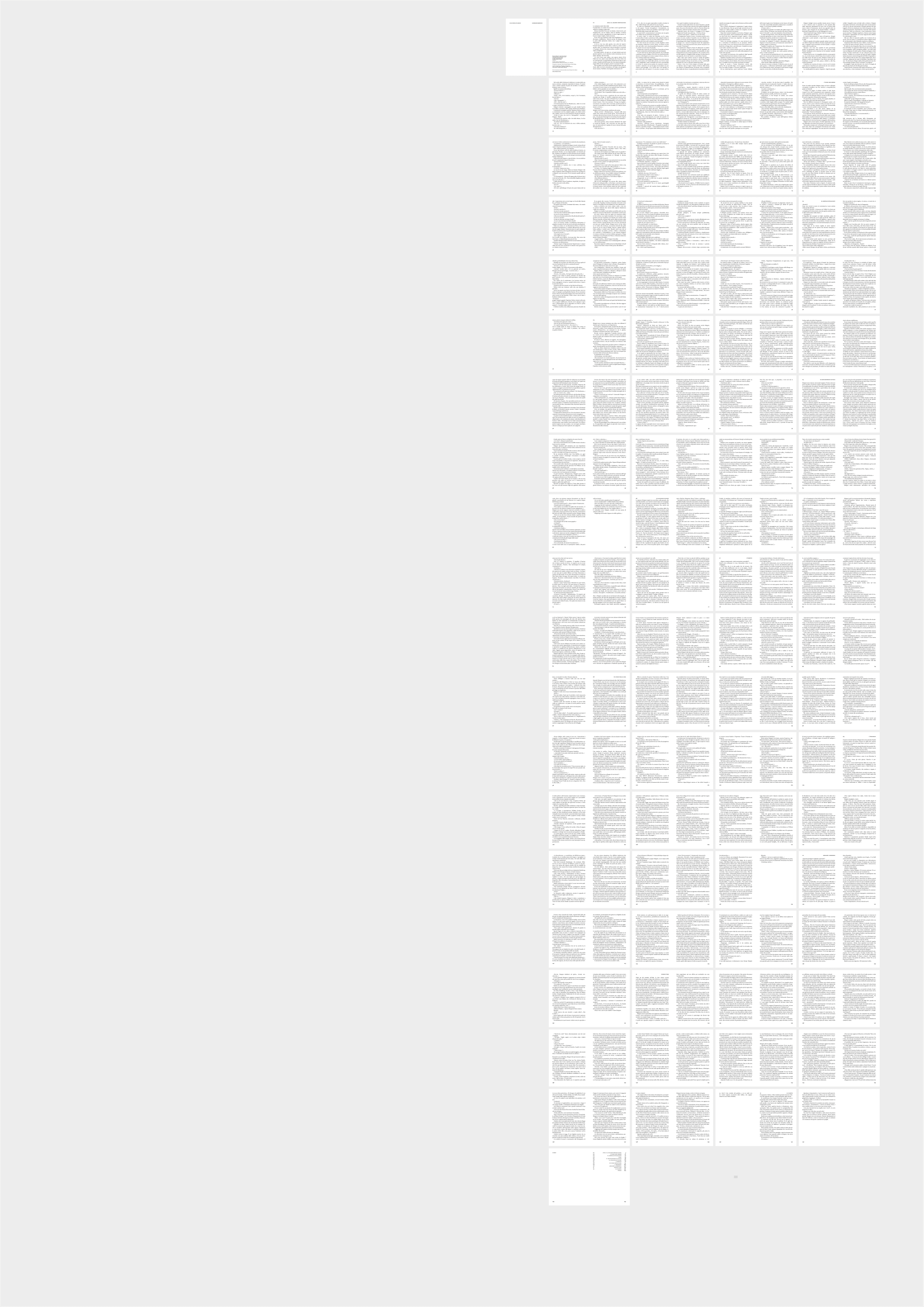
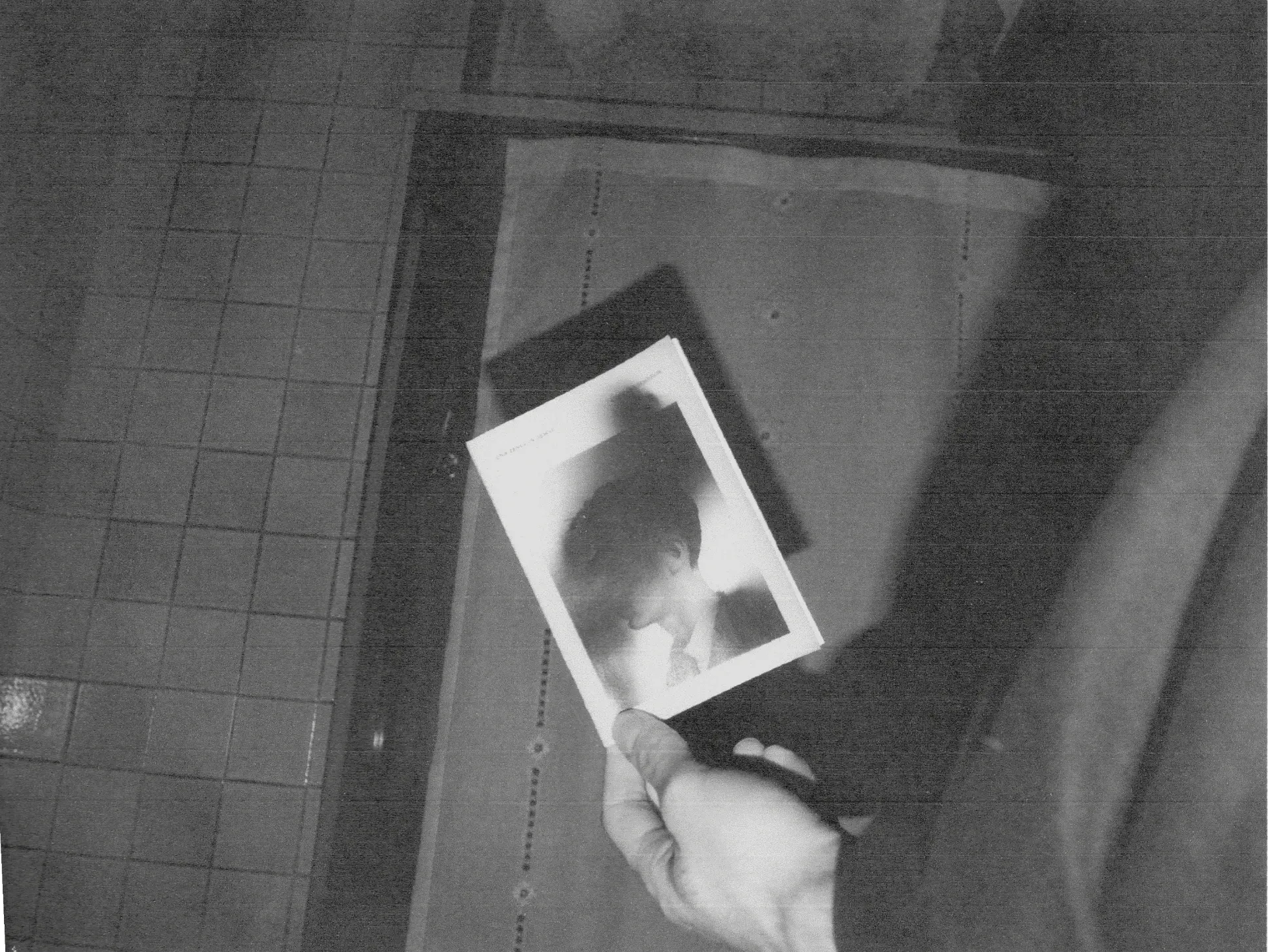
A compact A6 format establishes physical proximity and compression.
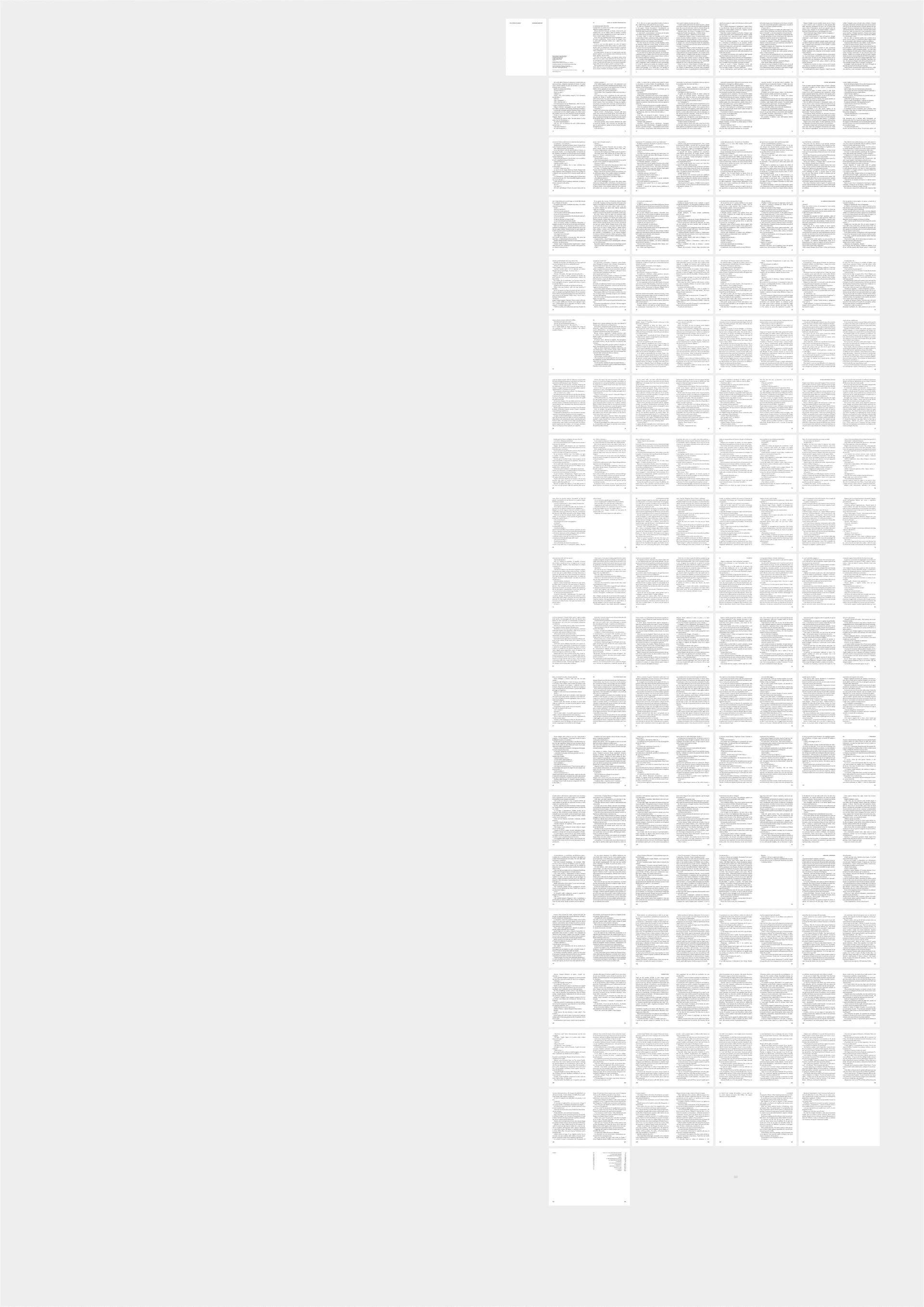
Hierarchy is resolved without spatial separation: titles remain embedded within the text block, distinguished primarily through uppercase rather than vertical spacing.
Reduced margins and controlled leading generate a dense typographic field, limiting visual relief.
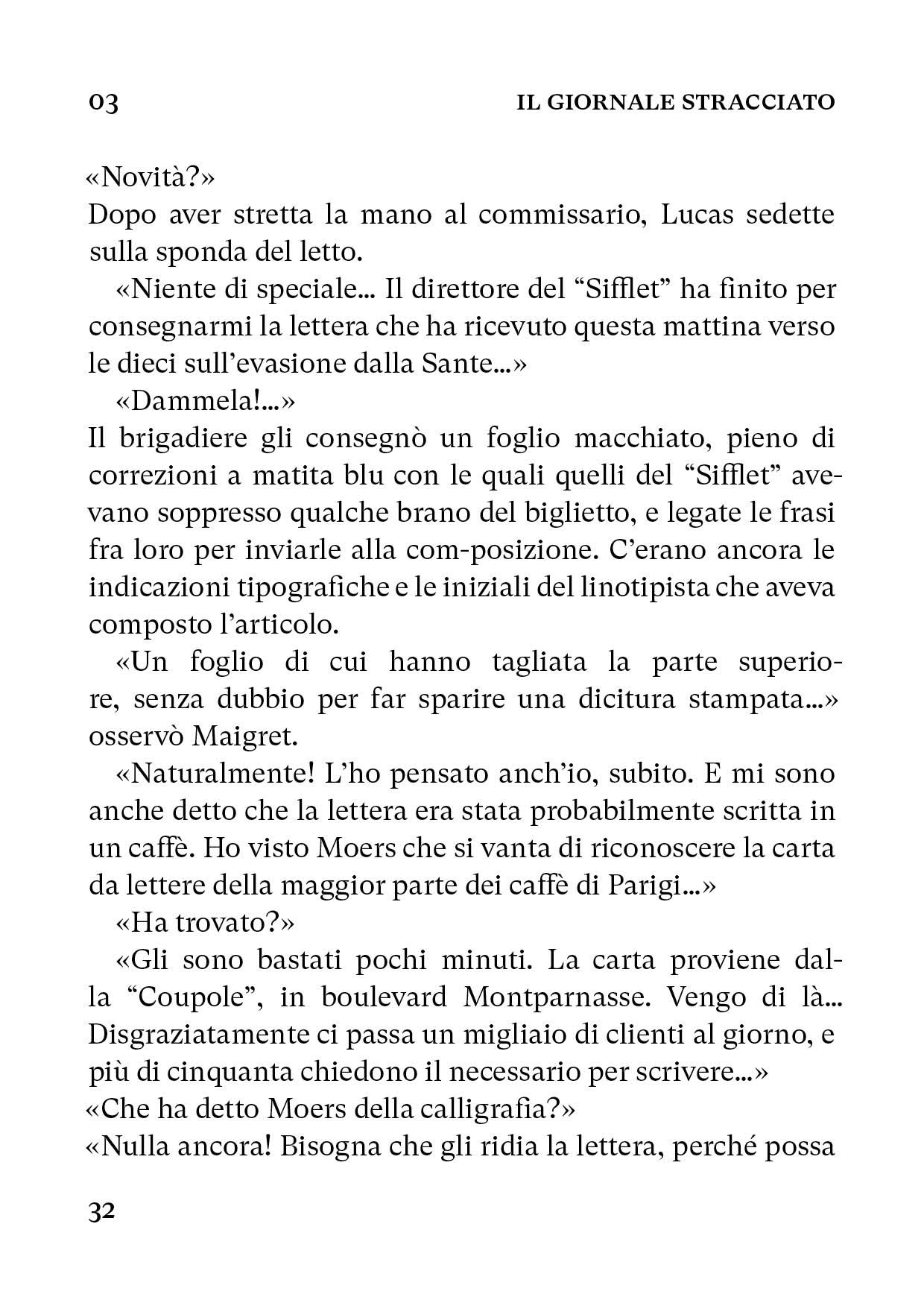
The grid supports continuity and containment, reinforcing the narrative’s tension through structural restraint.
Material choice becomes structural rather than decorative.
Low-grammage,
high-transparency paper introduces subtle interference between pages. Text and image remain partially visible through the surface, creating layered visual fields that destabilize clarity.
Translucency translates narrative doubt into physical experience, allowing ambiguity to operate materially within the reading process.
STORY
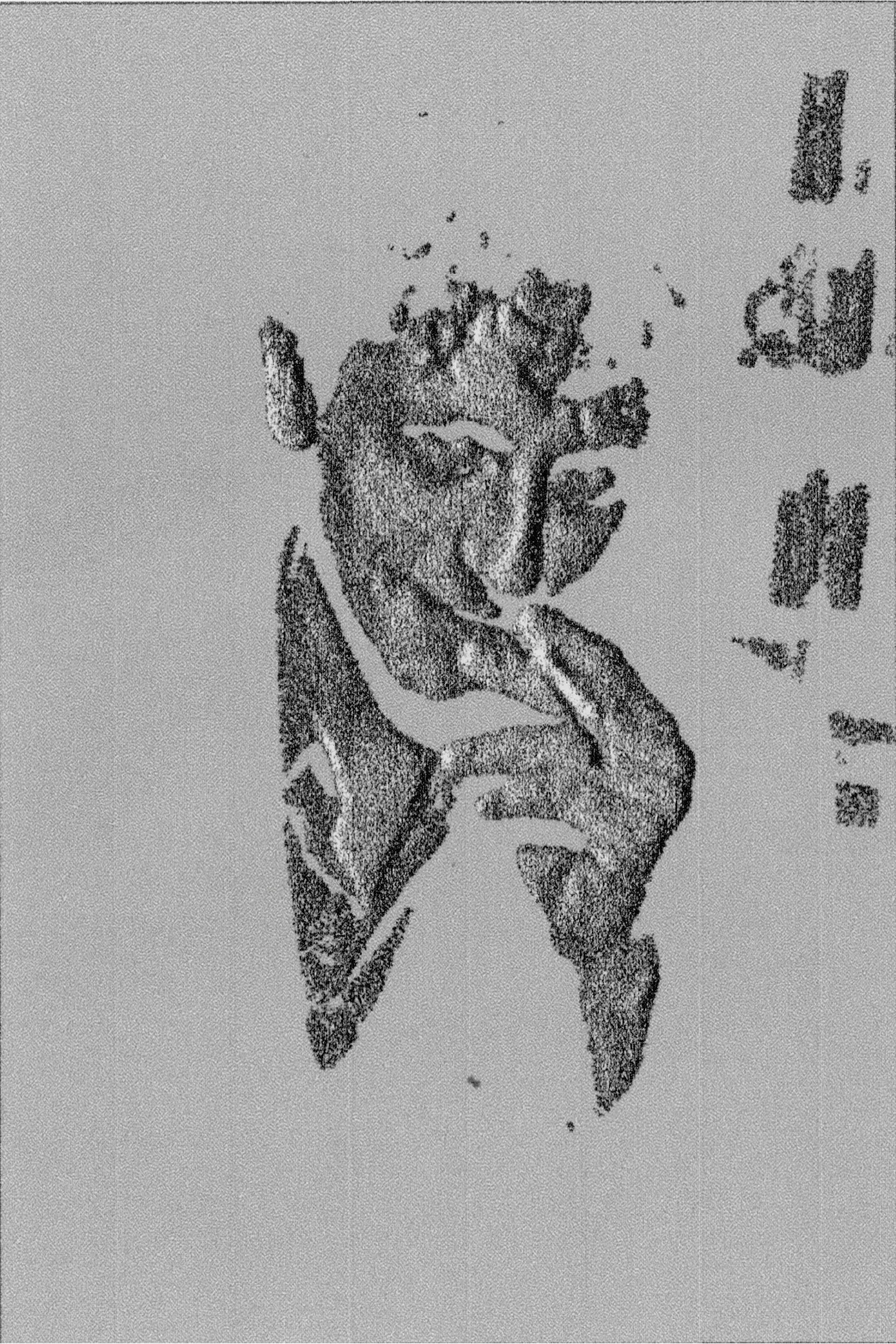
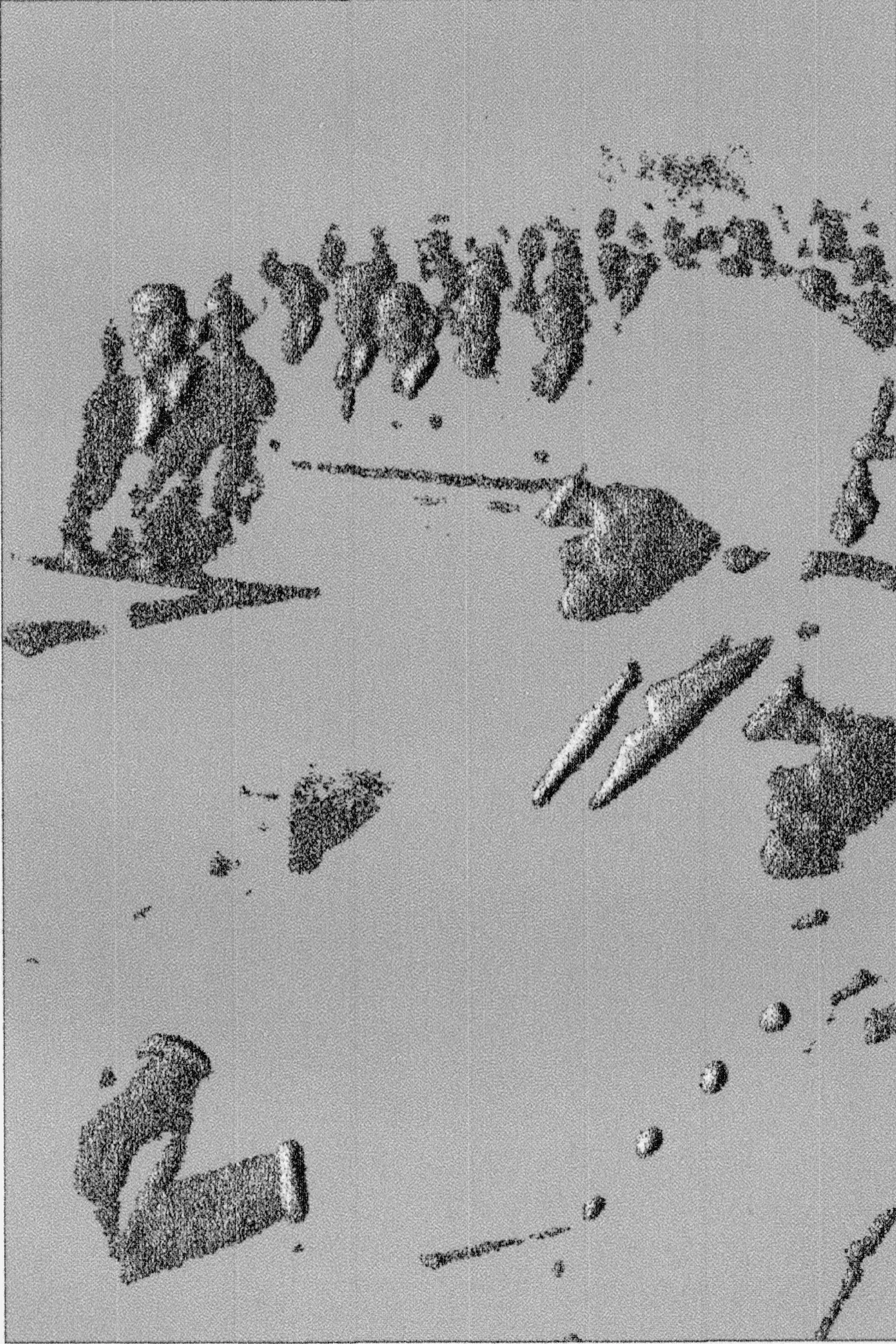
Interspersed between chapters, smaller semi-transparent inserts mark pivotal narrative moments.
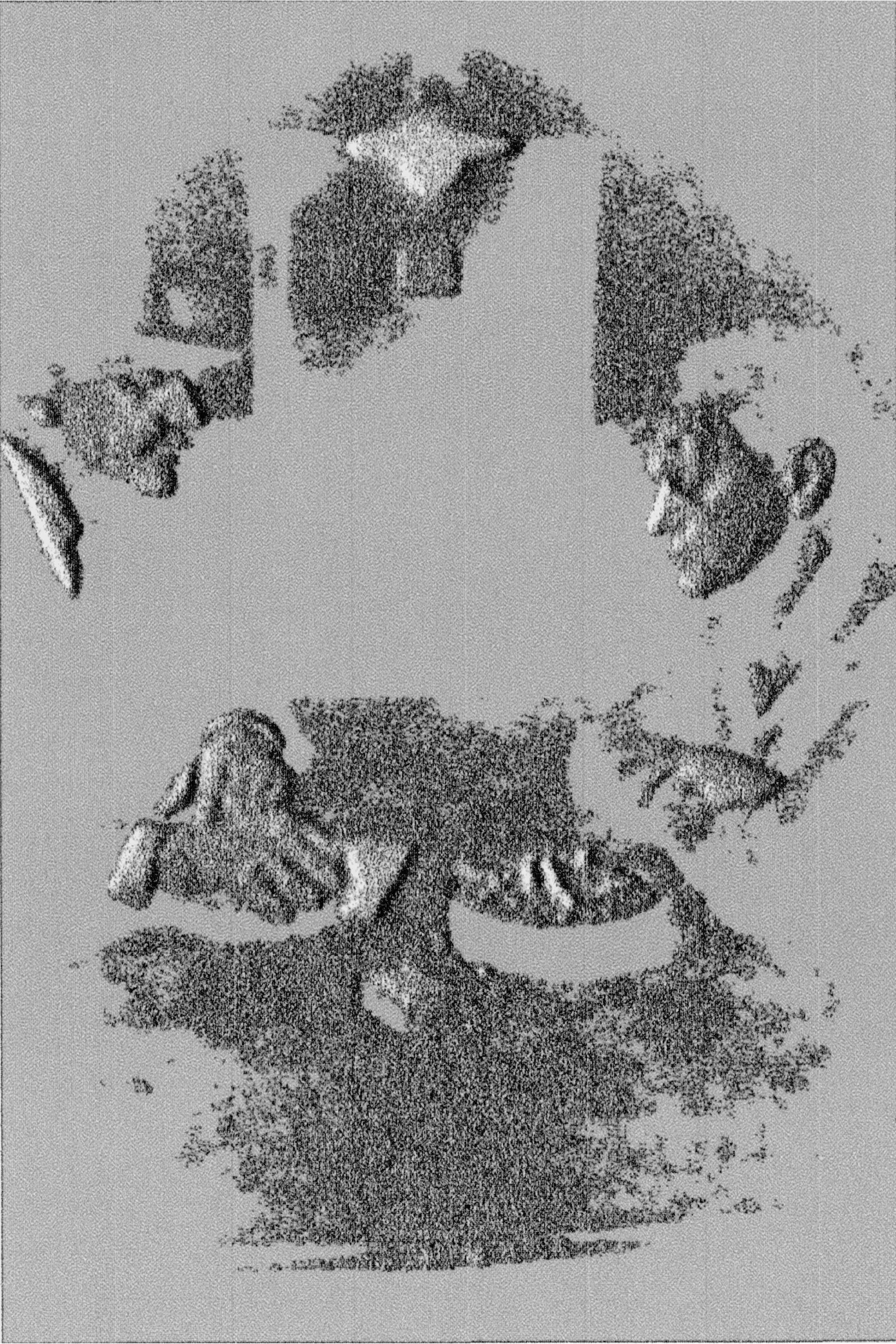
Their reduced scale interrupts the textual flow without fragmenting the composition.
Integrated within the same material logic, the illustrations function as atmospheric thresholds rather than ornamental additions.
They introduce pauses while maintaining the density established by the typographic system.
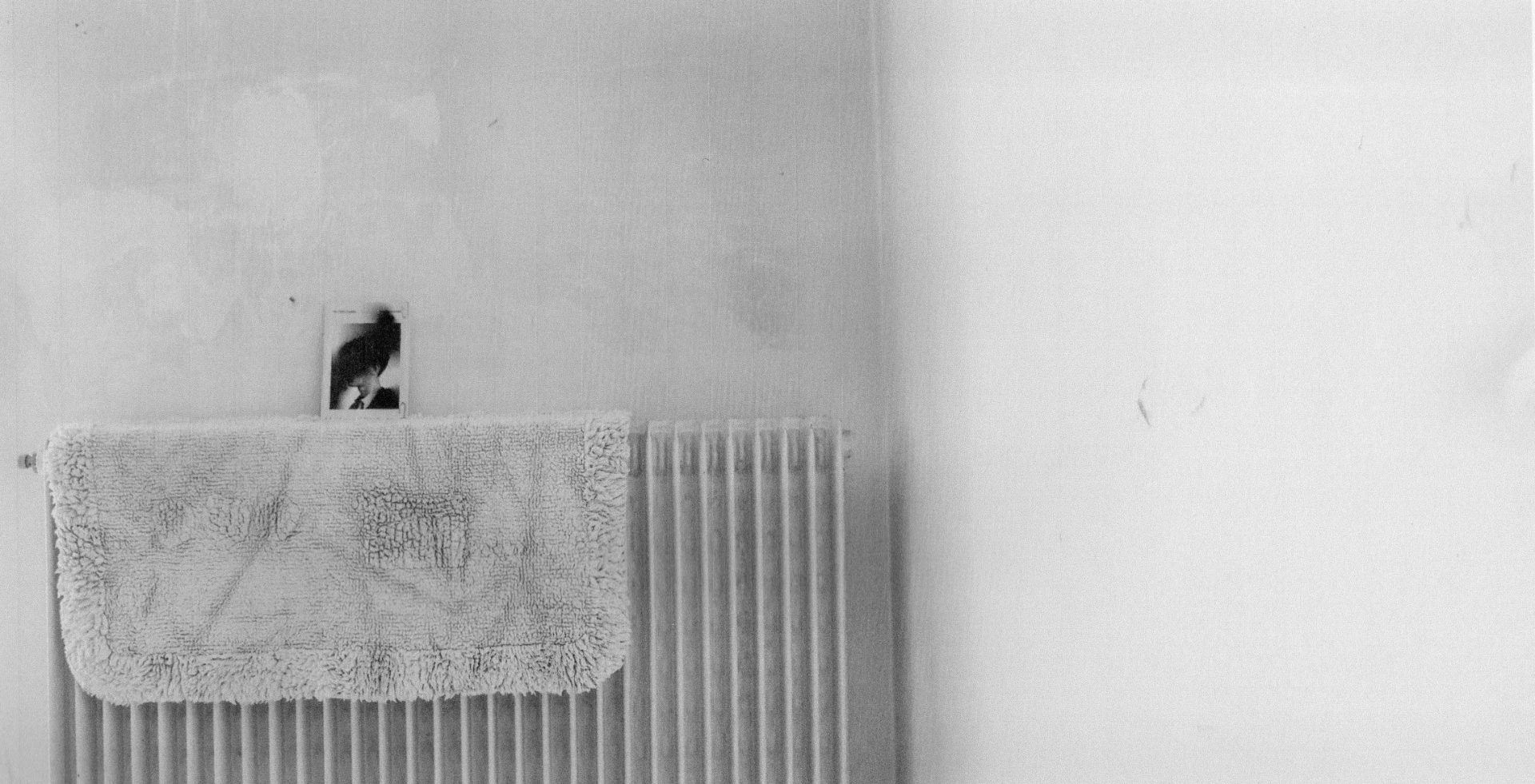
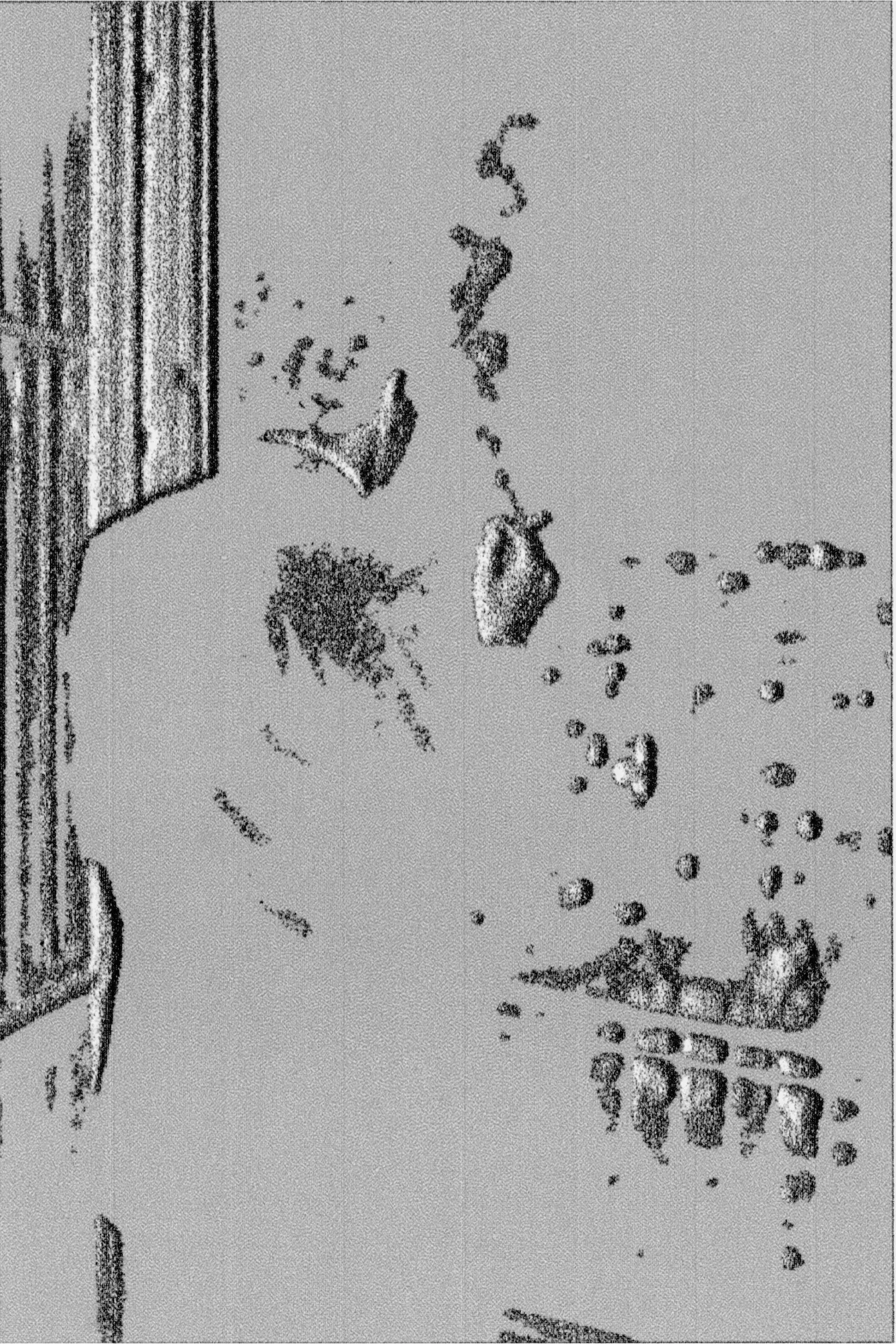
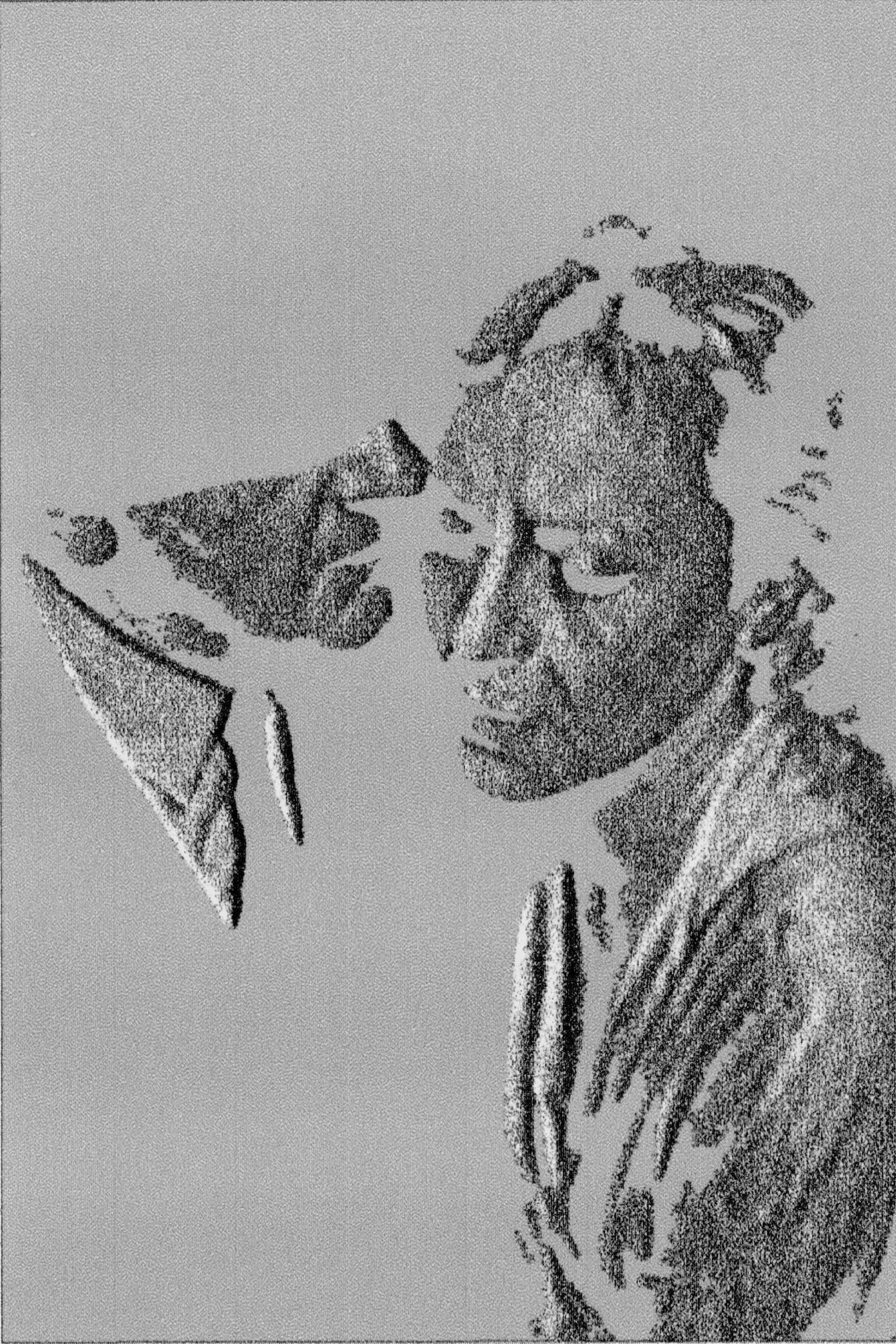
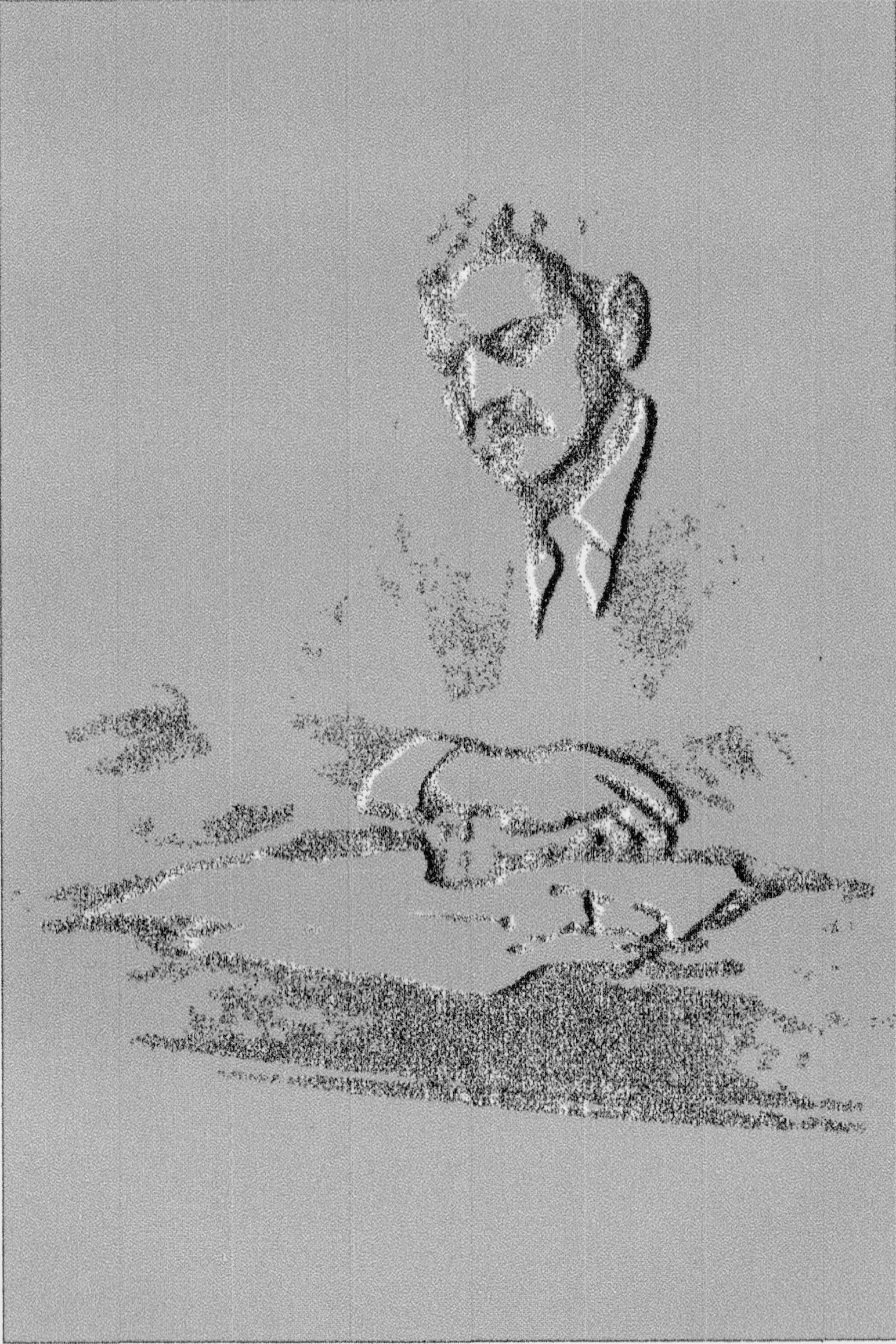
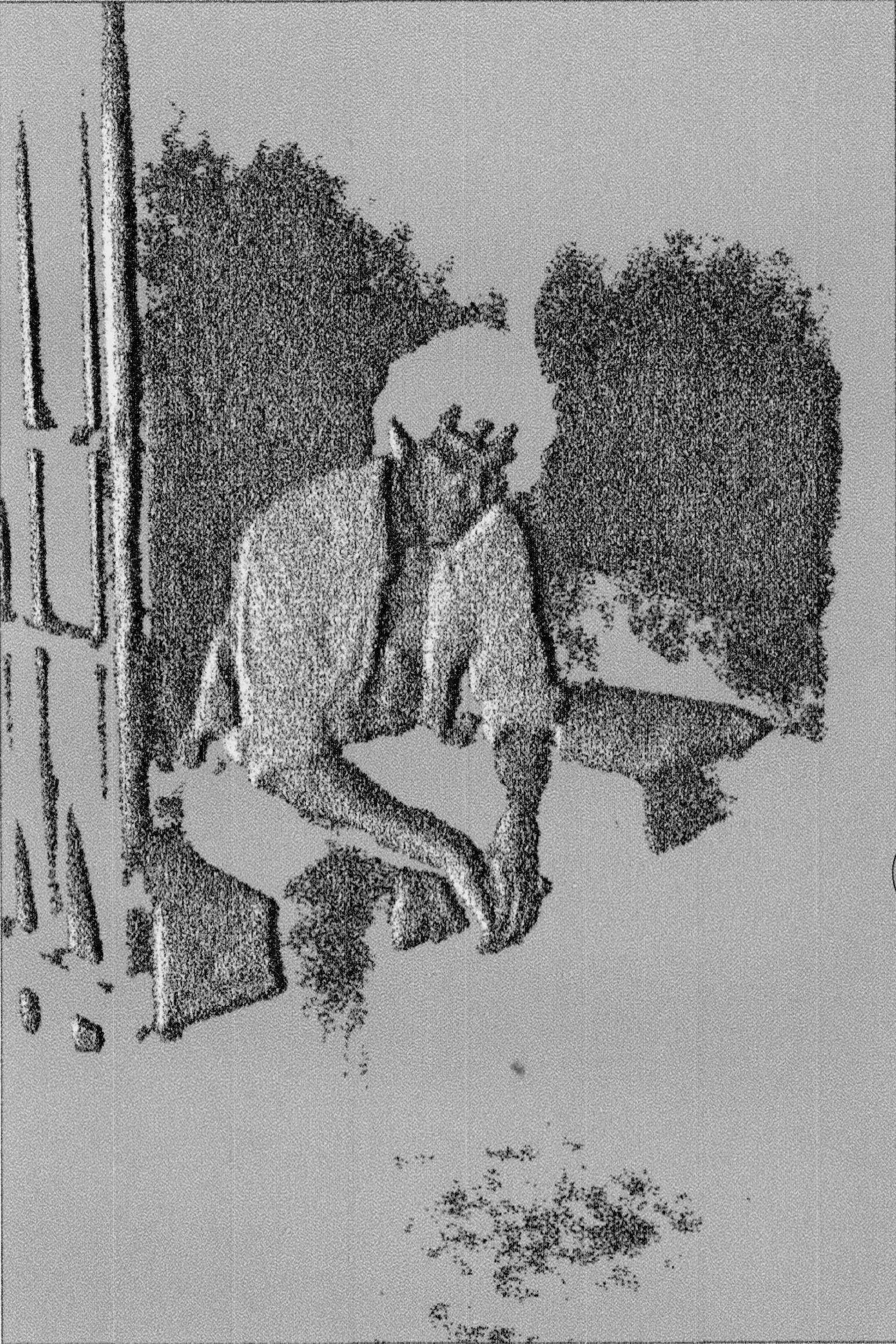
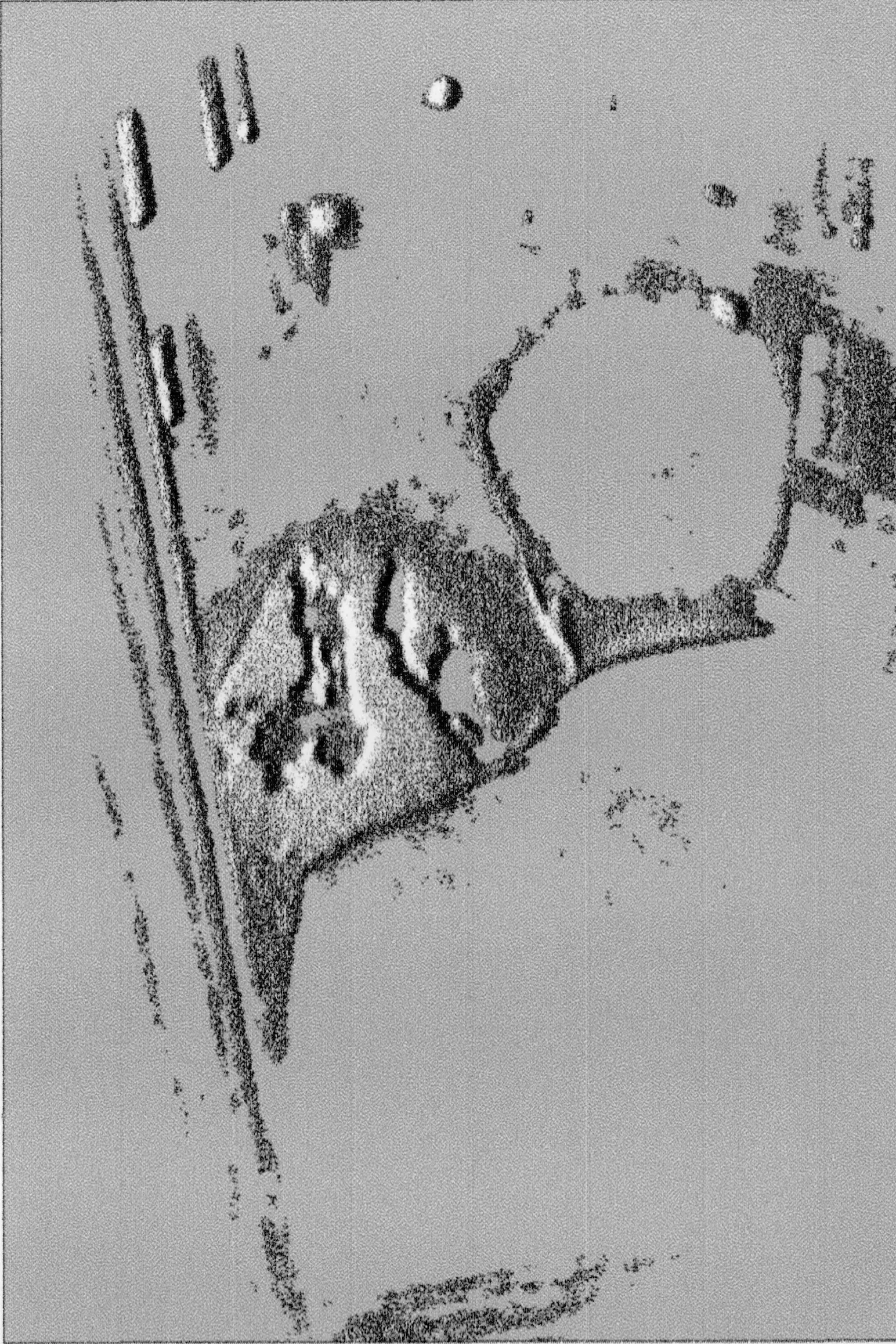
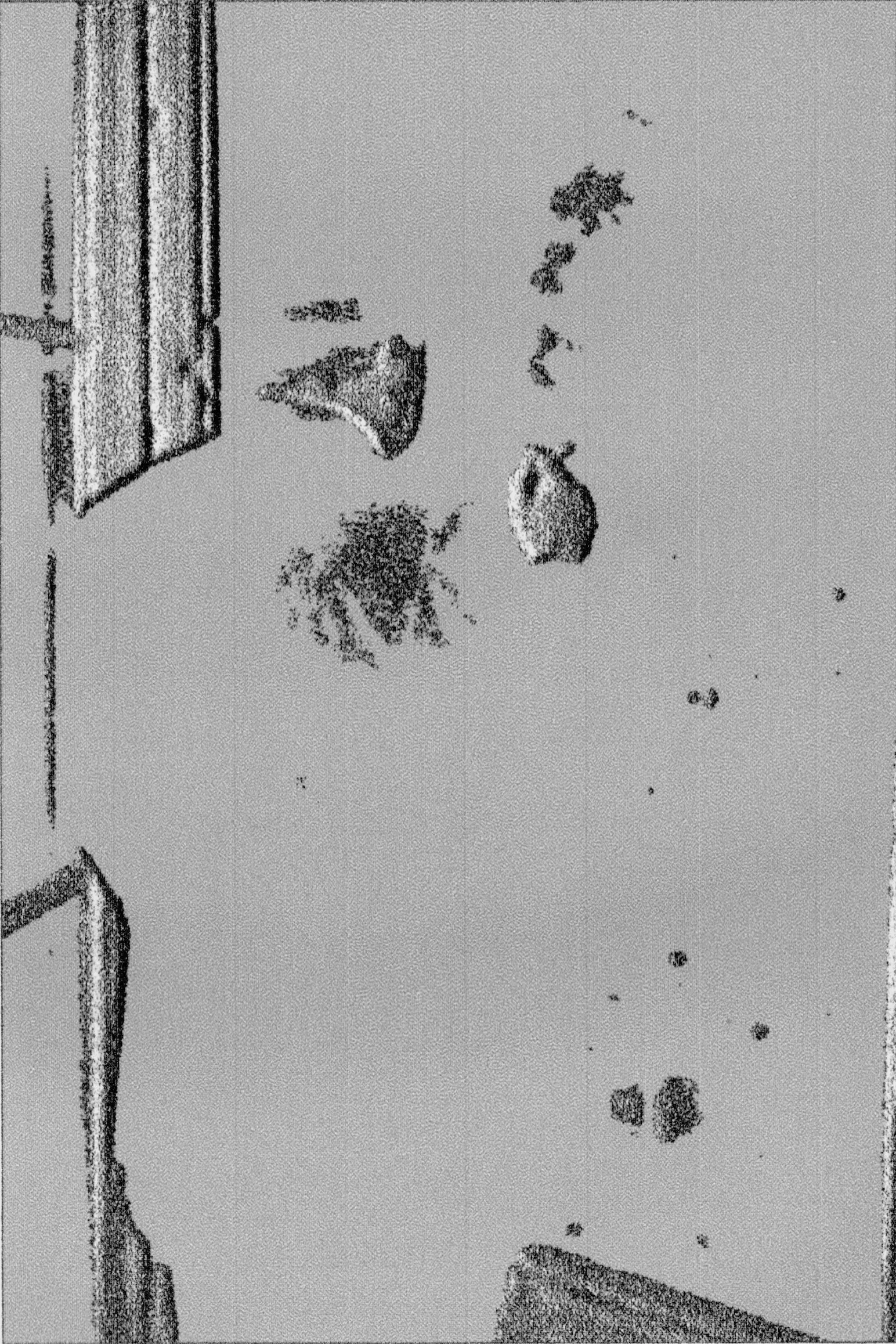
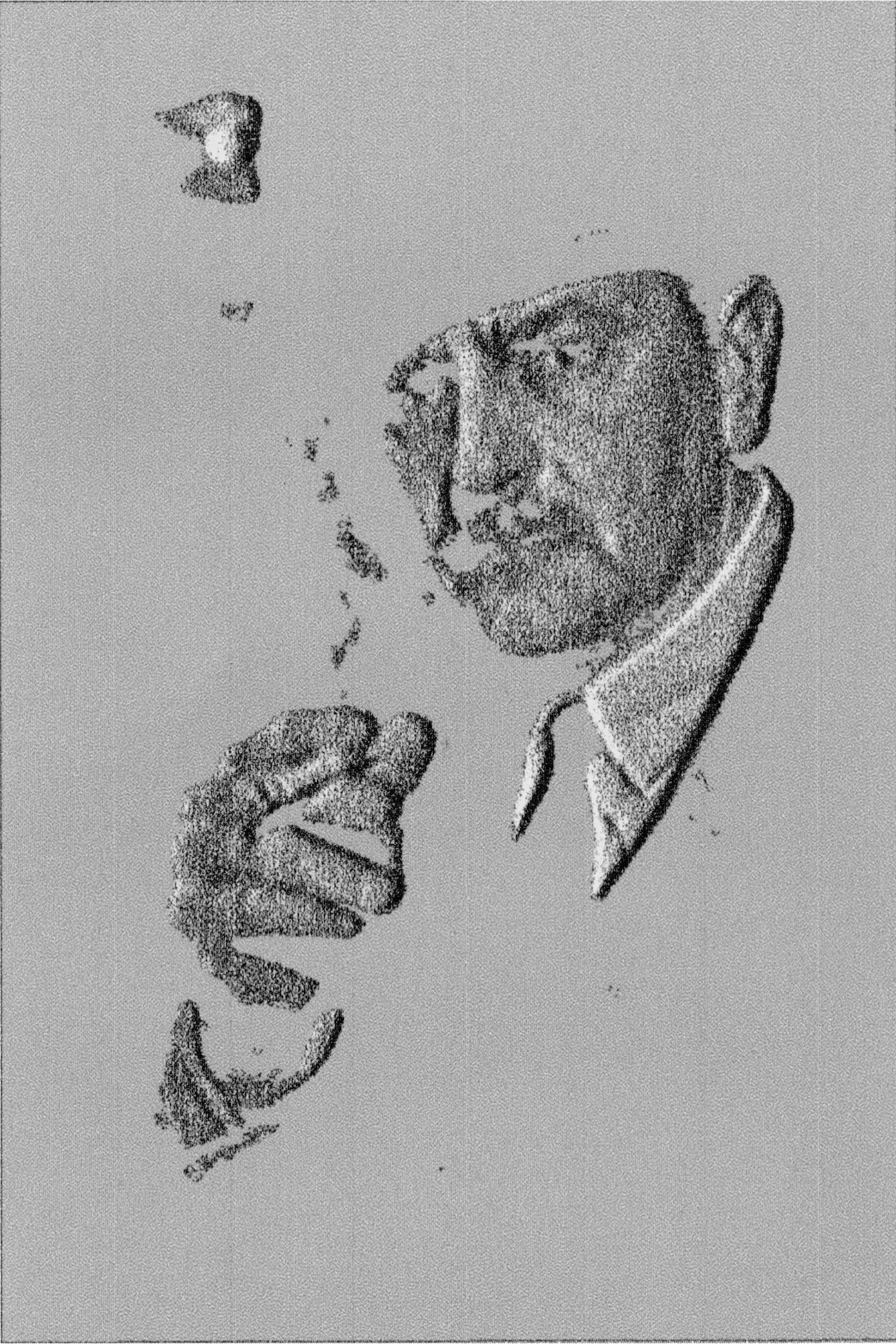
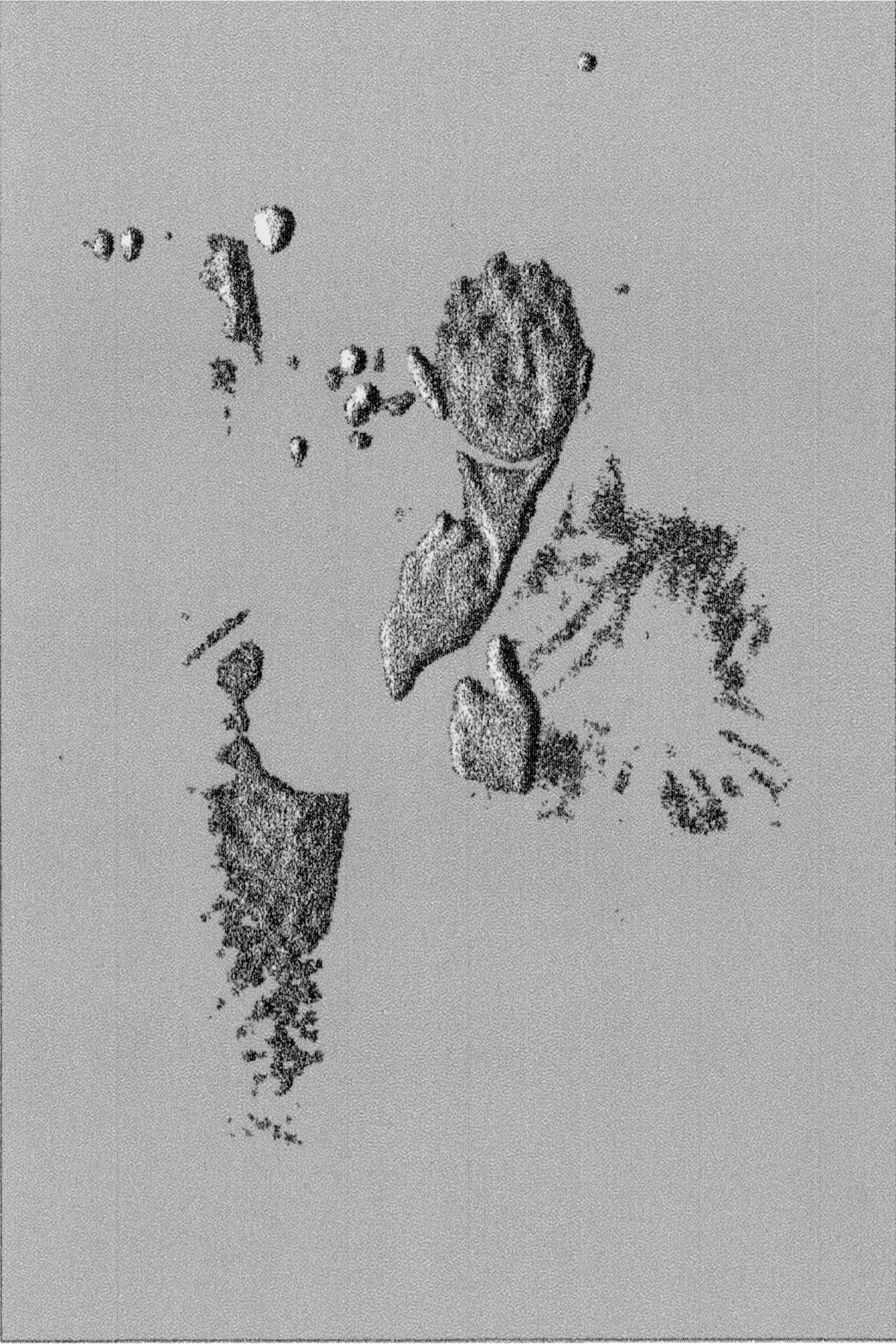
Interspersed between chapters, smaller semi-transparent inserts mark pivotal narrative moments.
Their reduced scale interrupts the textual flow without fragmenting the composition.
Integrated within the same material logic, the illustrations function as atmospheric thresholds rather than ornamental additions.
They introduce pauses while maintaining the density established by the typographic system.
Interspersed between chapters, smaller semi-transparent inserts mark pivotal narrative moments.
Their reduced scale interrupts the textual flow without fragmenting the composition.
Integrated within the same material logic, the illustrations function as atmospheric thresholds rather than ornamental additions.
They introduce pauses while maintaining the density established by the typographic system.
IDENTITY
Editorial redesign of Una testa in gioco (1937) by George Simenon.
The volume is detached from the Maigret series and repositioned as an autonomous publication.
Rather than intervening on the text, the project operates on format, materiality and typographic articulation.
Isolated from its original publishing framework, the novel is allowed to define its own formal language, directly informed by its psychological atmosphere.
The redesign treats the book as a singular object, shifting emphasis from serial continuity to narrative specificity.
GRAMMAR
A compact A6 format establishes physical proximity and compression.
Hierarchy is resolved without spatial separation: titles remain embedded within the text block, distinguished primarily through uppercase rather than vertical spacing.
Reduced margins and controlled leading generate a dense typographic field, limiting visual relief.
The grid supports continuity and containment, reinforcing the narrative’s tension through structural restraint.
Material choice becomes structural rather than decorative.
Low-grammage,
high-transparency paper introduces subtle interference between pages. Text and image remain partially visible through the surface, creating layered visual fields that destabilize clarity.
Translucency translates narrative doubt into physical experience, allowing ambiguity to operate materially within the reading process.
STORY
Interspersed between chapters, smaller semi-transparent inserts mark pivotal narrative moments.
Their reduced scale interrupts the textual flow without fragmenting the composition.
Integrated within the same material logic, the illustrations function as atmospheric thresholds rather than ornamental additions.
They introduce pauses while maintaining the density established by the typographic system.