X
IDENTITY
Soda Pond is a self-initiated creative collective developed as a hybrid laboratory for cross-disciplinary collaboration.
The project investigates how multiple authors can operate within a shared visual framework while preserving individual expression.
The collective is structured to sustain independent practice and collaborative production through workshops and internal initiatives.
Play is positioned as an operational method within a defined identity system.
GRAMMAR
The identity system is built around a fixed typographic and structural framework designed to support variable outputs.
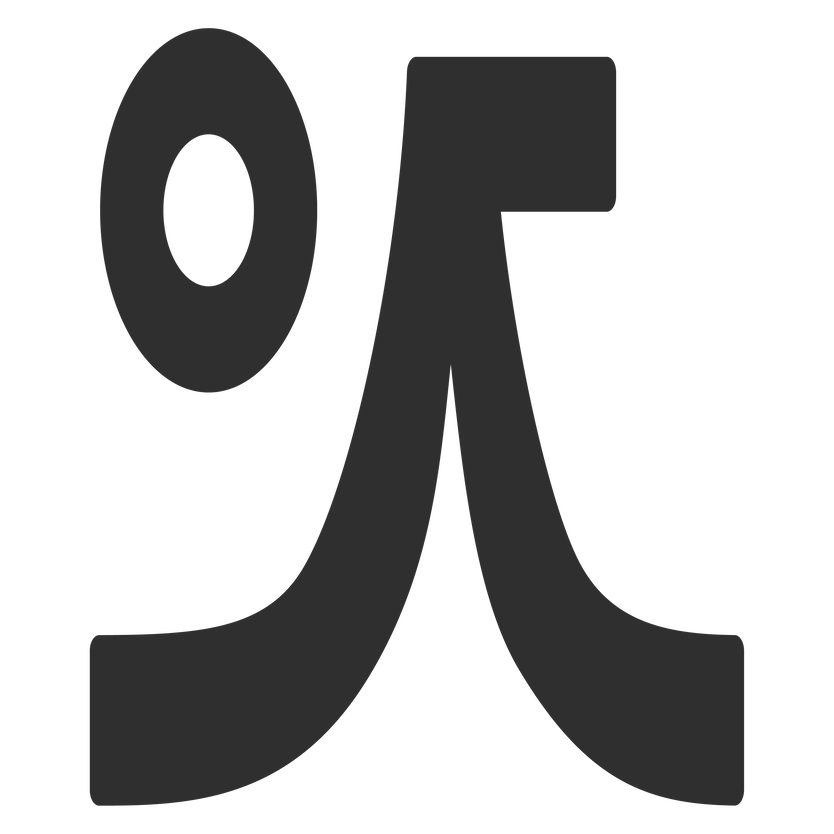
A modular glyph operates as a letterform rather than a pictogram, allowing translation and recomposition across applications.
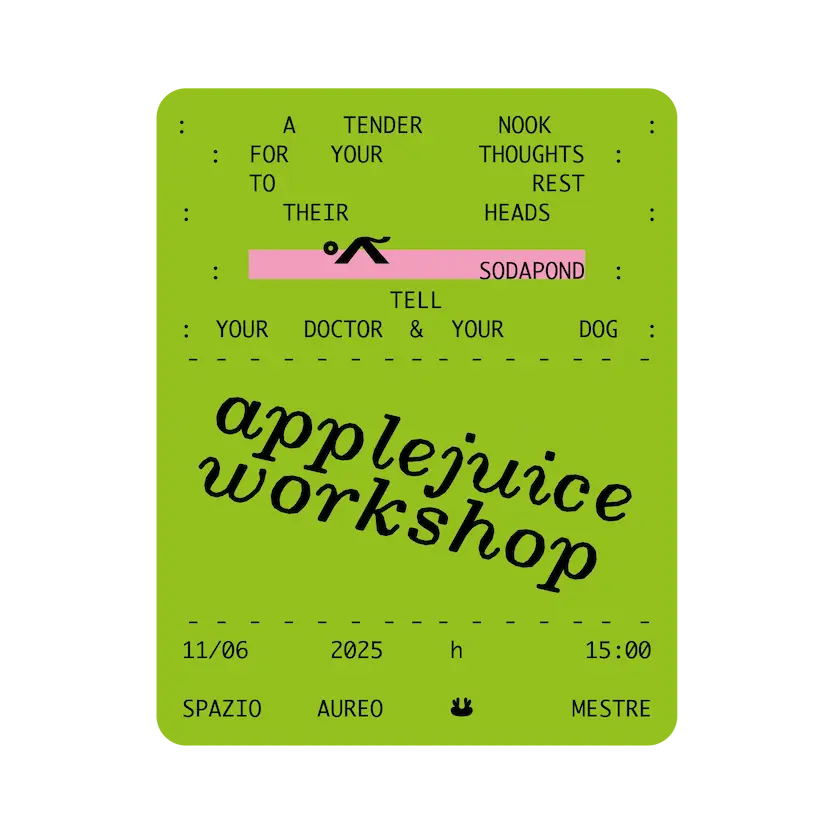
A monospaced microtype “sticker” system functions as a rigid anchoring device, consistently applied to maintain structural coherence.
Beyond this defined perimeter, contributors retain visual autonomy.
The system balances constraint and flexibility without relying on uniform stylistic control.
STORY
Narrative components support the collective’s tone without defining its structure.
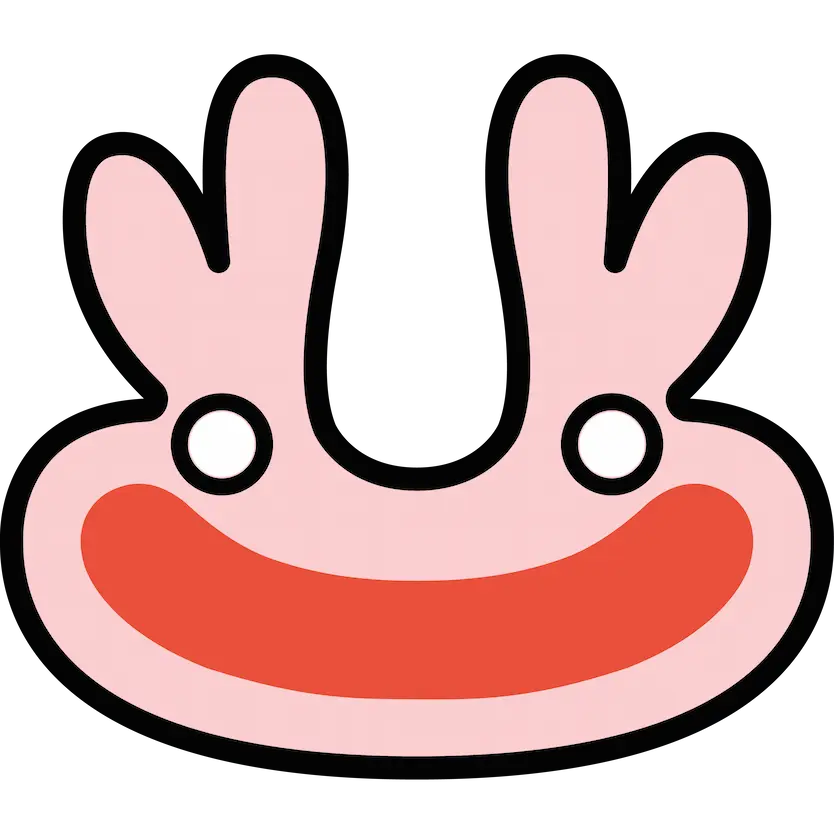
A recurring fictional creature operates as a secondary identity element, reinforcing atmosphere rather than functioning as a core symbol.
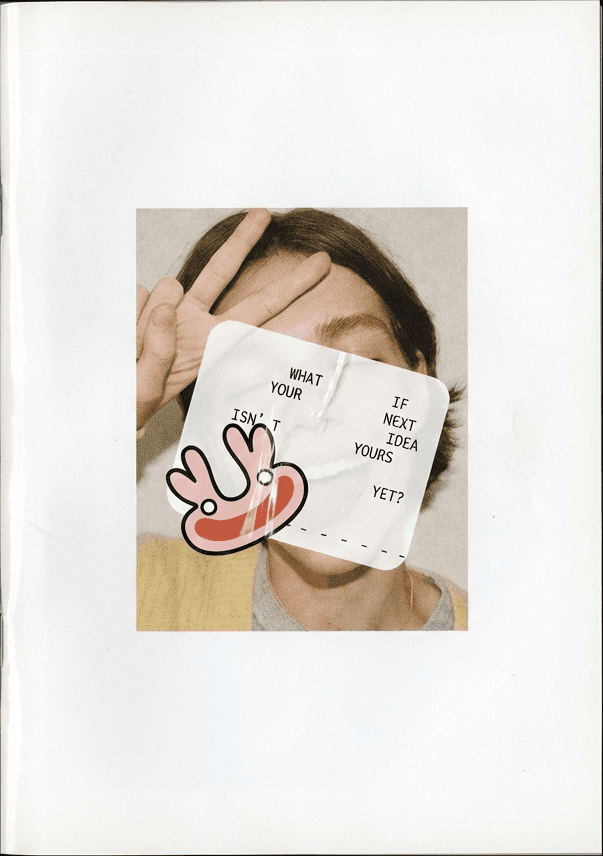
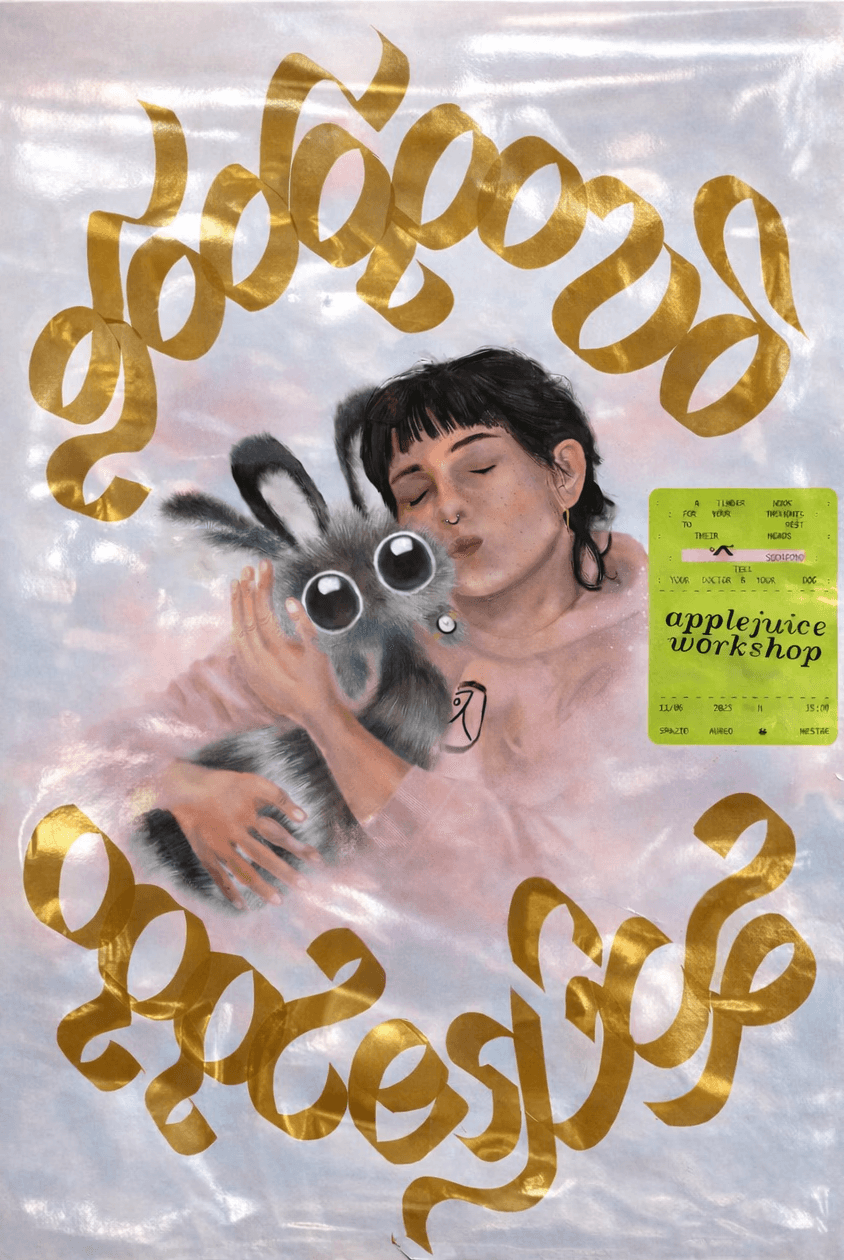
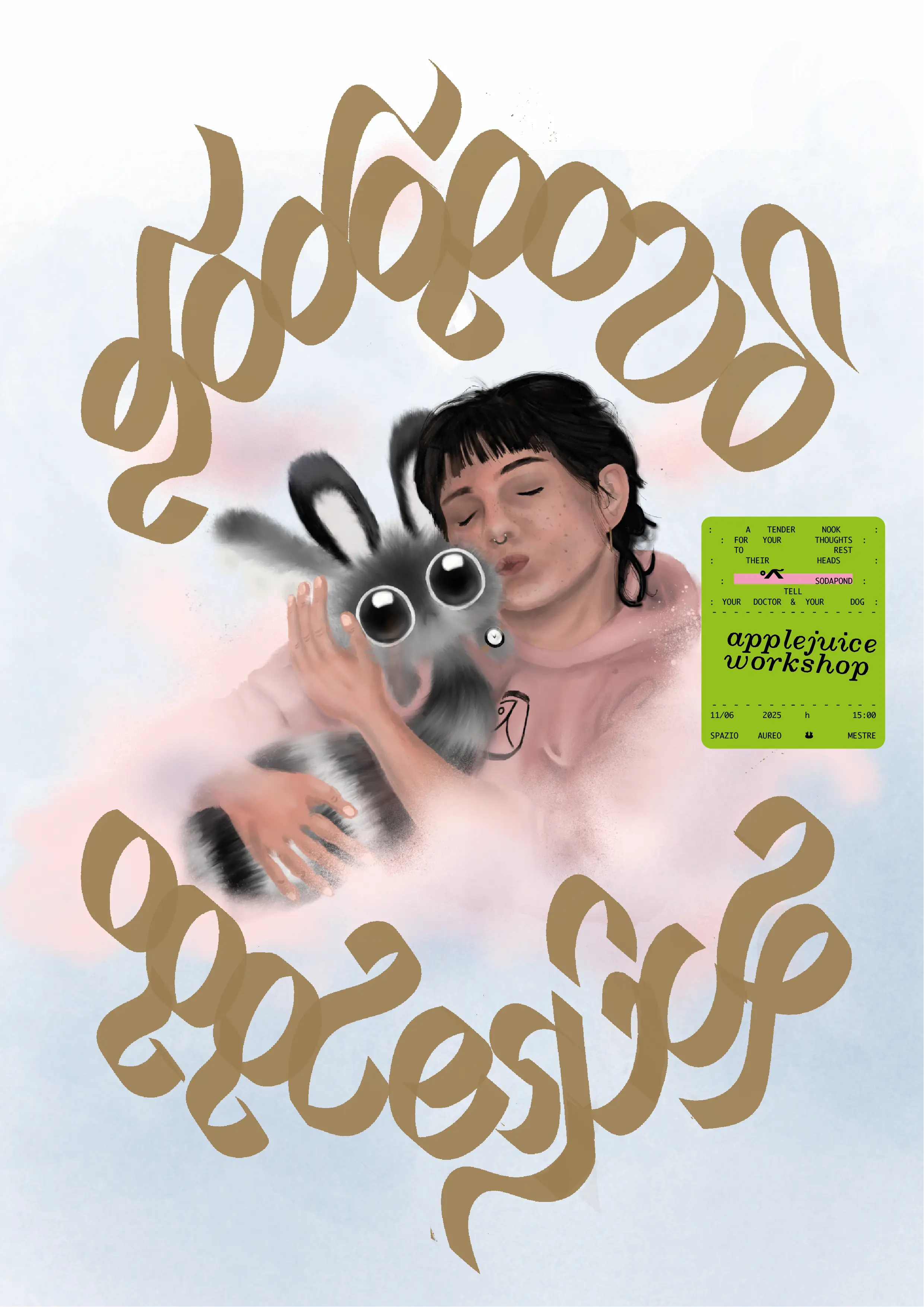
Posters and collaborative outputs are intentionally heterogeneous.
Variation is treated as a controlled outcome of the framework rather than deviation from it.
(1/2)
Workshop Posters
The website extends the identity into a spatial interface model.
The structure emulates a guided environment in which interchangeable avatars mediate access to content.
Interface prioritizes exploratory interaction over immediate information hierarchy, the underlying grid system reflects the typographic framework used across printed and visual outputs, ensuring structural continuity.
IDENTITY
Soda Pond is a self-initiated creative collective developed as a hybrid laboratory for cross-disciplinary collaboration.
The project investigates how multiple authors can operate within a shared visual framework while preserving individual expression.
The collective is structured to sustain independent practice and collaborative production through workshops and internal initiatives.
Play is positioned as an operational method within a defined identity system.
GRAMMAR
The identity system is built around a fixed typographic and structural framework designed to support variable outputs.
A modular glyph operates as a letterform rather than a pictogram, allowing translation and recomposition across applications.
A monospaced microtype “sticker” system functions as a rigid anchoring device, consistently applied to maintain structural coherence.
Beyond this defined perimeter, contributors retain visual autonomy.
The system balances constraint and flexibility without relying on uniform stylistic control.
STORY
Narrative components support the collective’s tone without defining its structure.
A recurring fictional creature operates as a secondary identity element, reinforcing atmosphere rather than functioning as a core symbol.
Posters and collaborative outputs are intentionally heterogeneous.
Variation is treated as a controlled outcome of the framework rather than deviation from it.
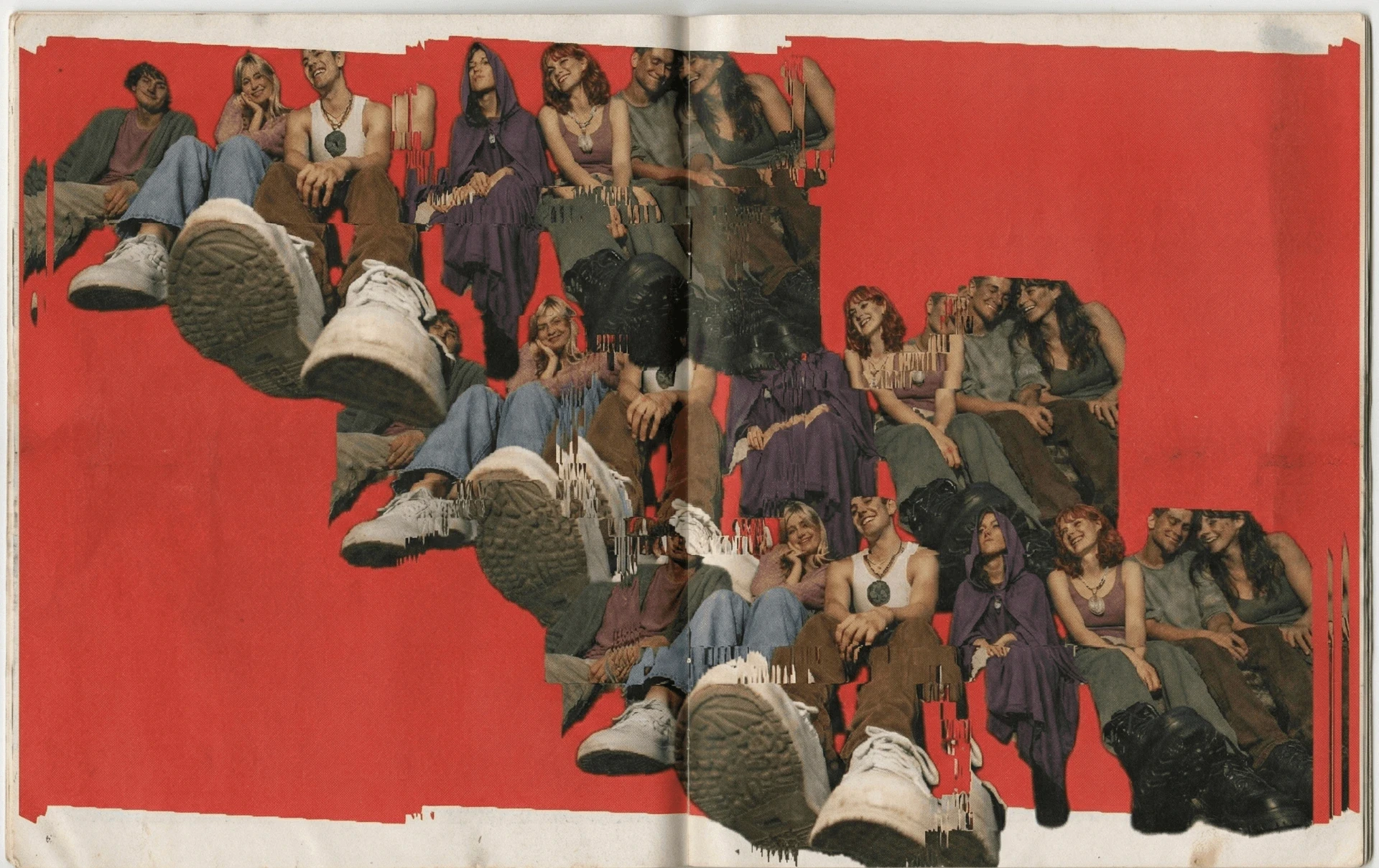
Each magazine is developed by different contributors, resulting in formally divergent outcomes.
Despite visual variation, structural consistency is maintained through the recurring typographic framework and sticker system.
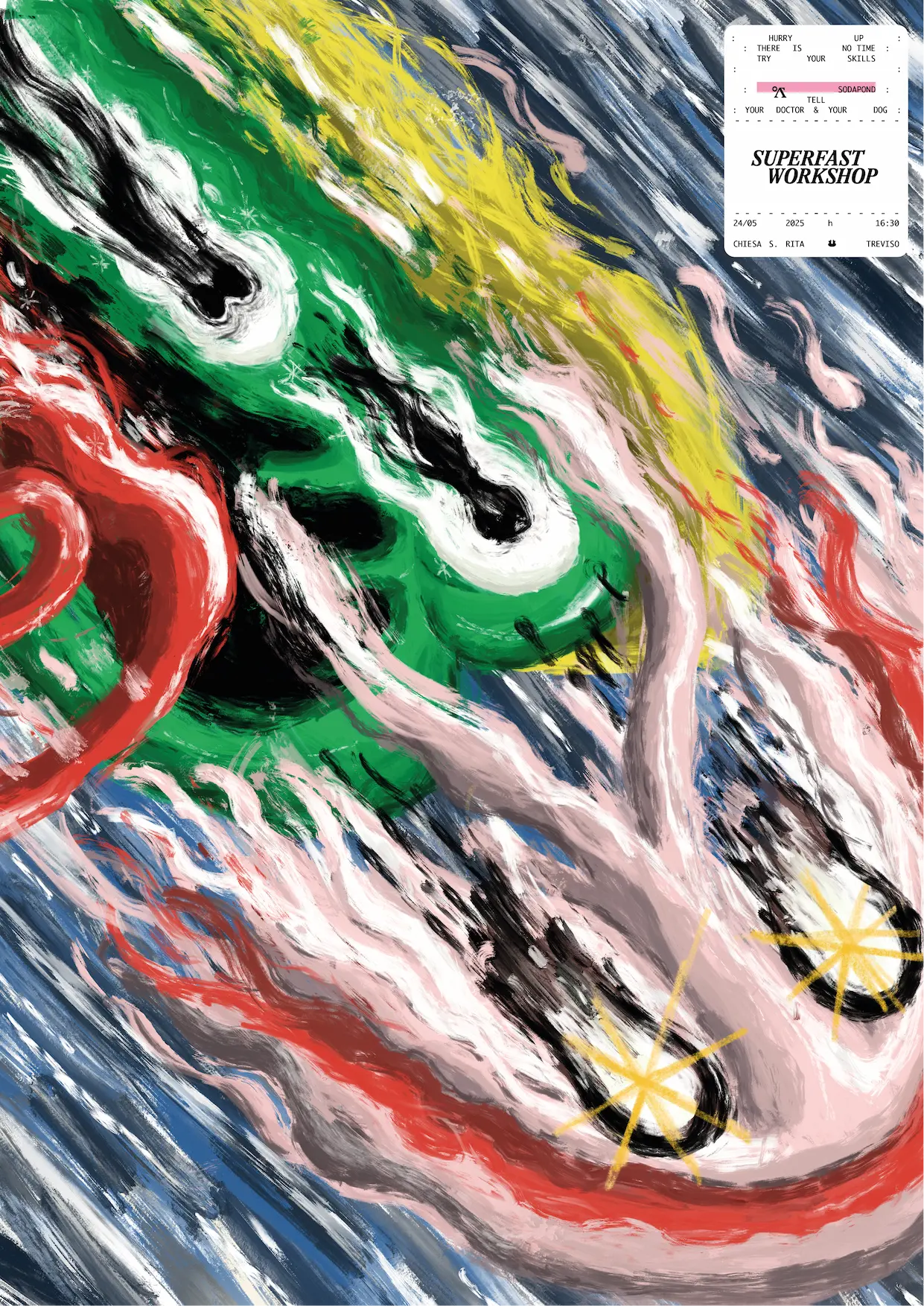
Workshop Posters
The website extends the identity into a spatial interface model. The structure emulates a guided environment in which interchangeable avatars mediate access to content.
Interface prioritizes exploratory interaction over immediate information hierarchy, the underlying grid system reflects the typographic framework used across printed and visual outputs, ensuring structural continuity.